Brand Building
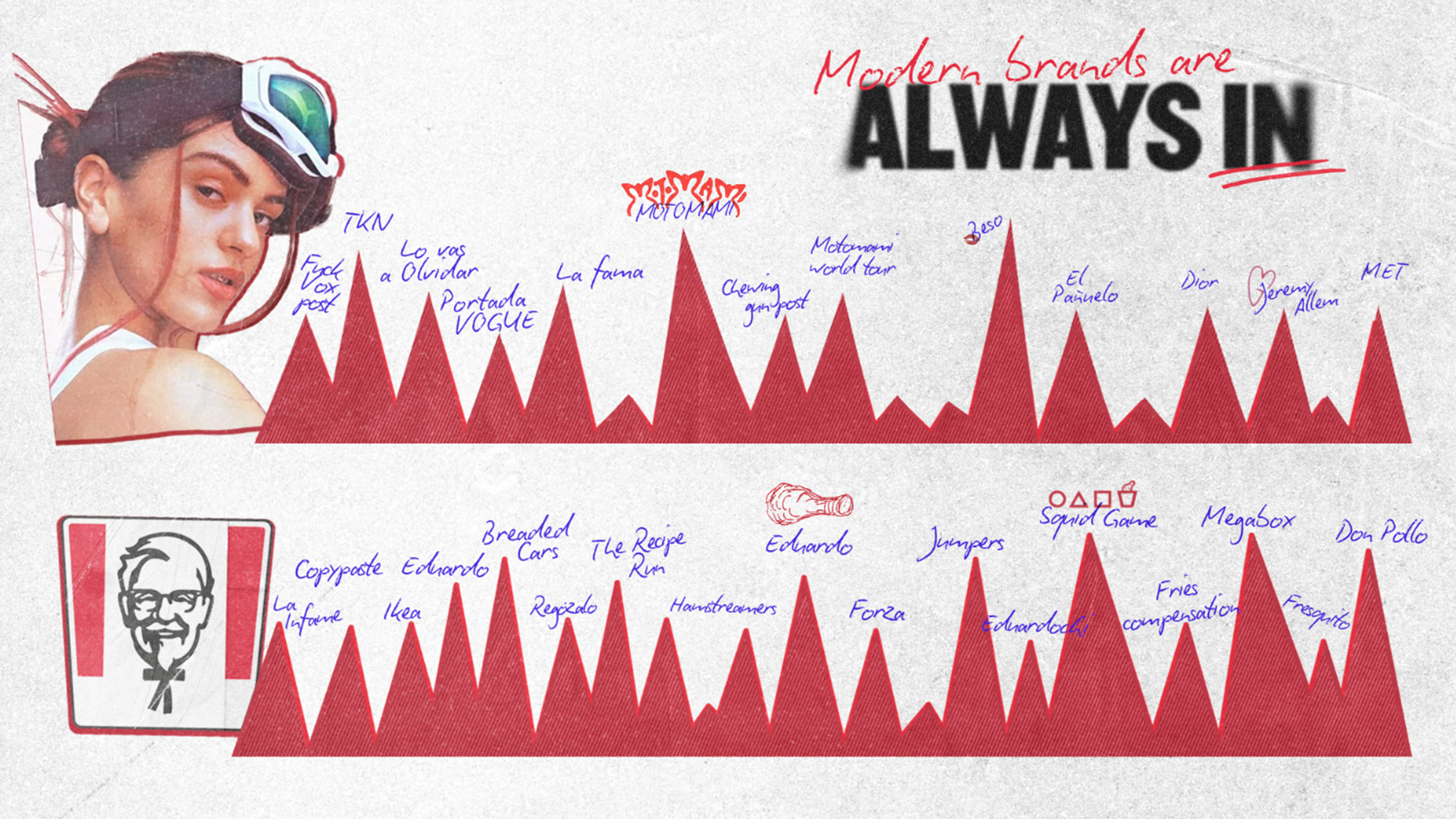
In March 2020, KFC Spain faced a critical scenario: lockdown, zero media investment, and a 100% franchised model under pressure. In a category dominated by giants with higher investment and share of voice, the brand needed to grow faster. The answer wasn't to invest more, but to rethink the brand-building model: abandon the logic of isolated big campaigns and replace it with a continuous system based on fame, conversation, and sustained cultural relevance over time.

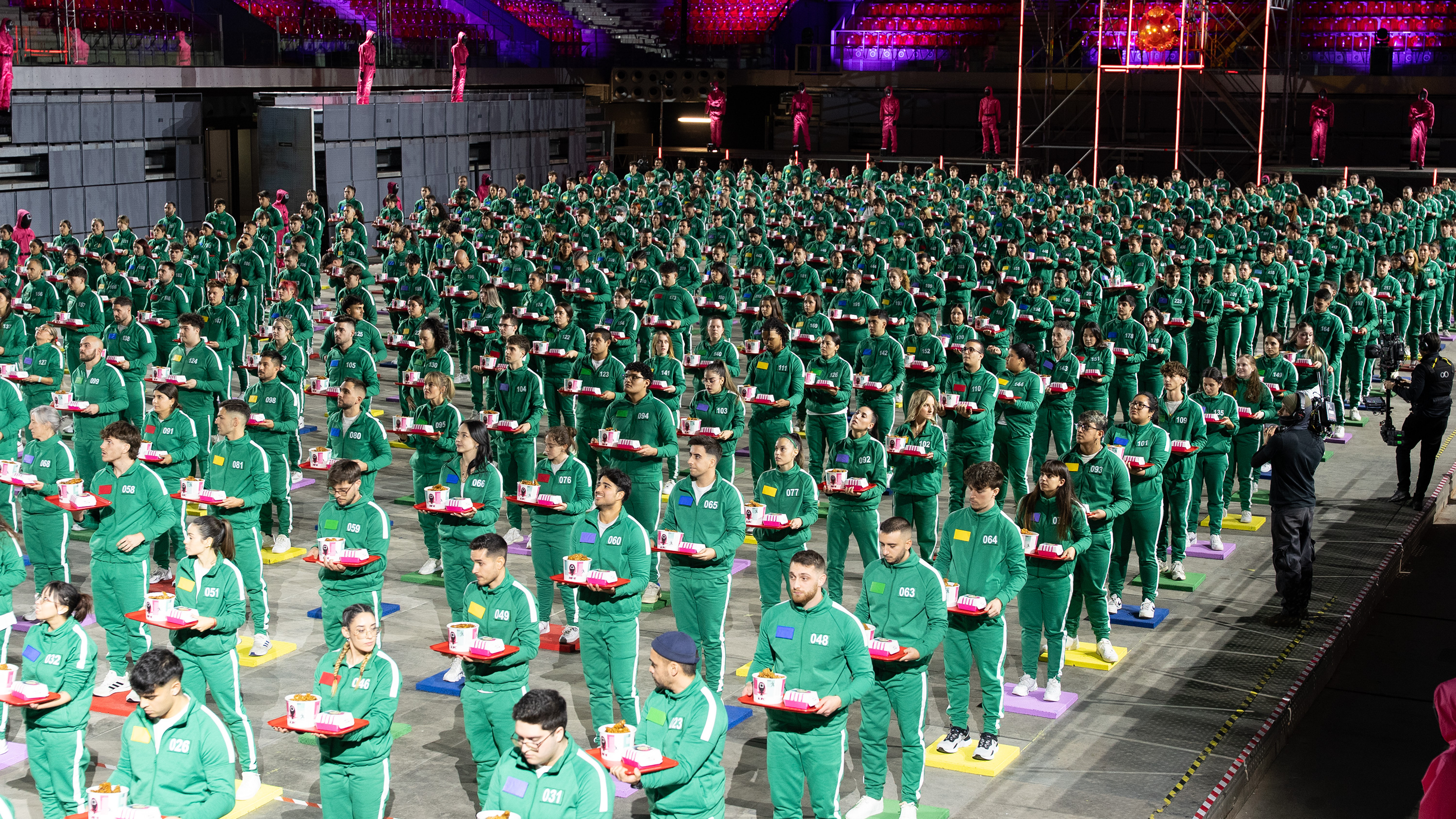
The project transforms attention into market share through a Brand Fame strategy that integrates culture, entertainment, and tactical consistency as levers for profitable growth.
Brand Fame as a growth model
The strategy was built on a clear principle: fame drives business. Inspired by Binet & Field's "Brand Fame" concept, the model replaced the logic of large commercial waves with a "single" culture: constant presence, entertainment, and conversation as growth levers. The bet was on new generations as trend drivers, social media as the community hub, and an "Always In" mindset that turned the brand into an active cultural player. Every touchpoint — social, CRM, openings, collaborations, or mass media — became an opportunity for brand building.
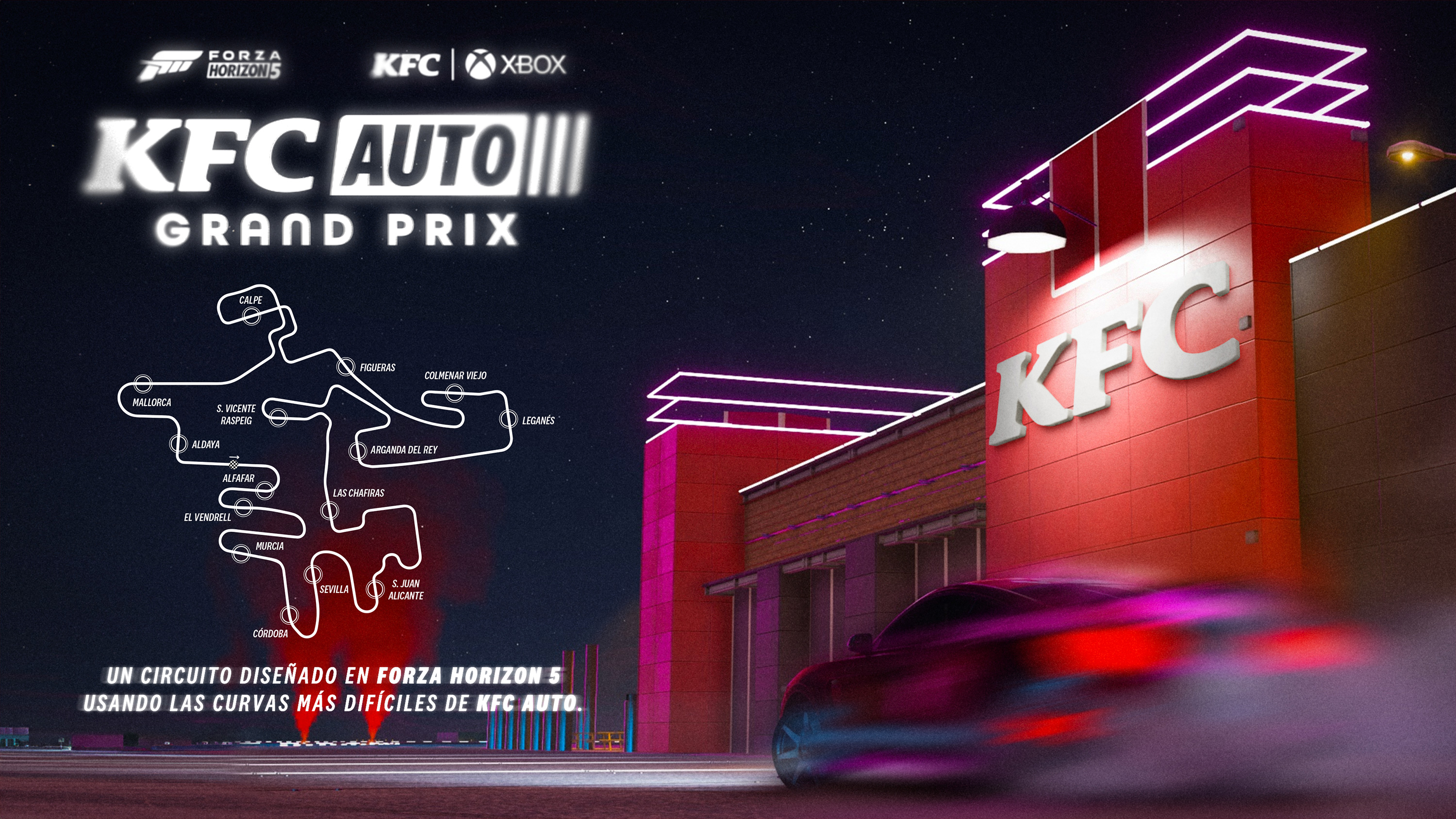
A brand system that converts attention into market share
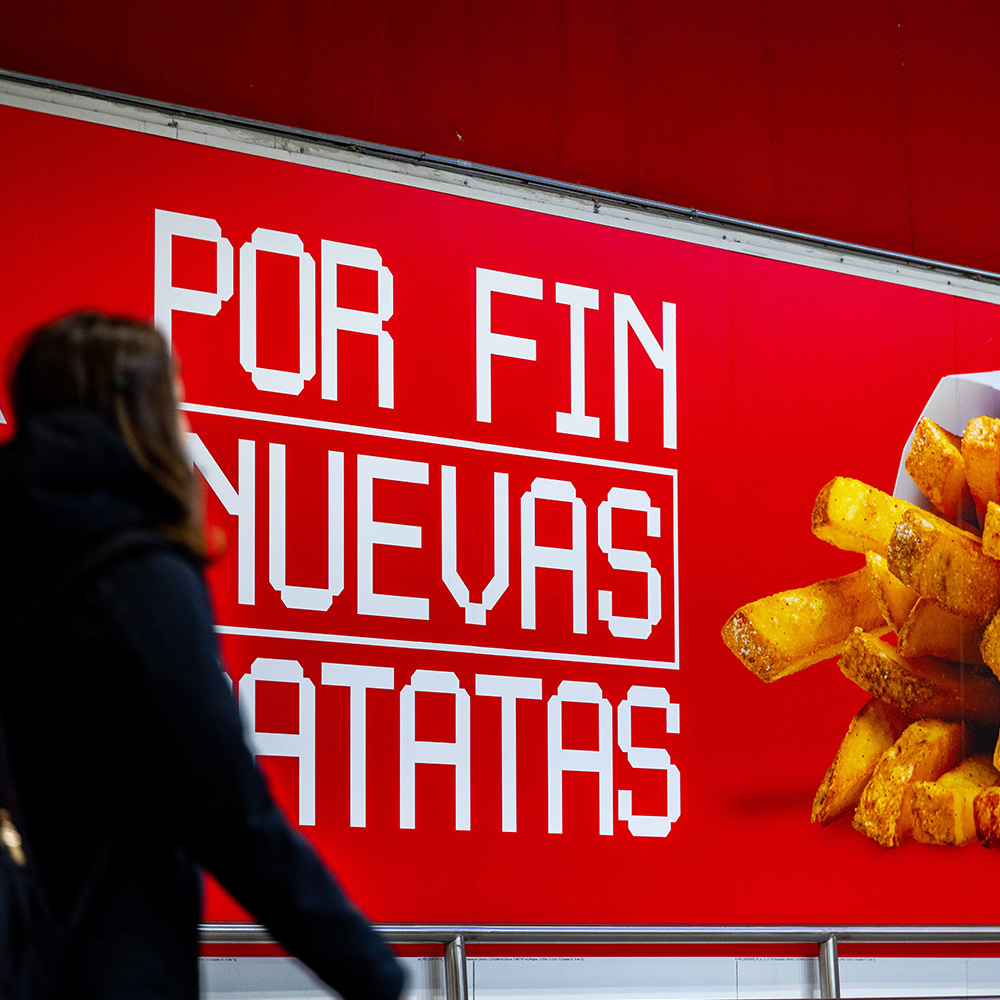
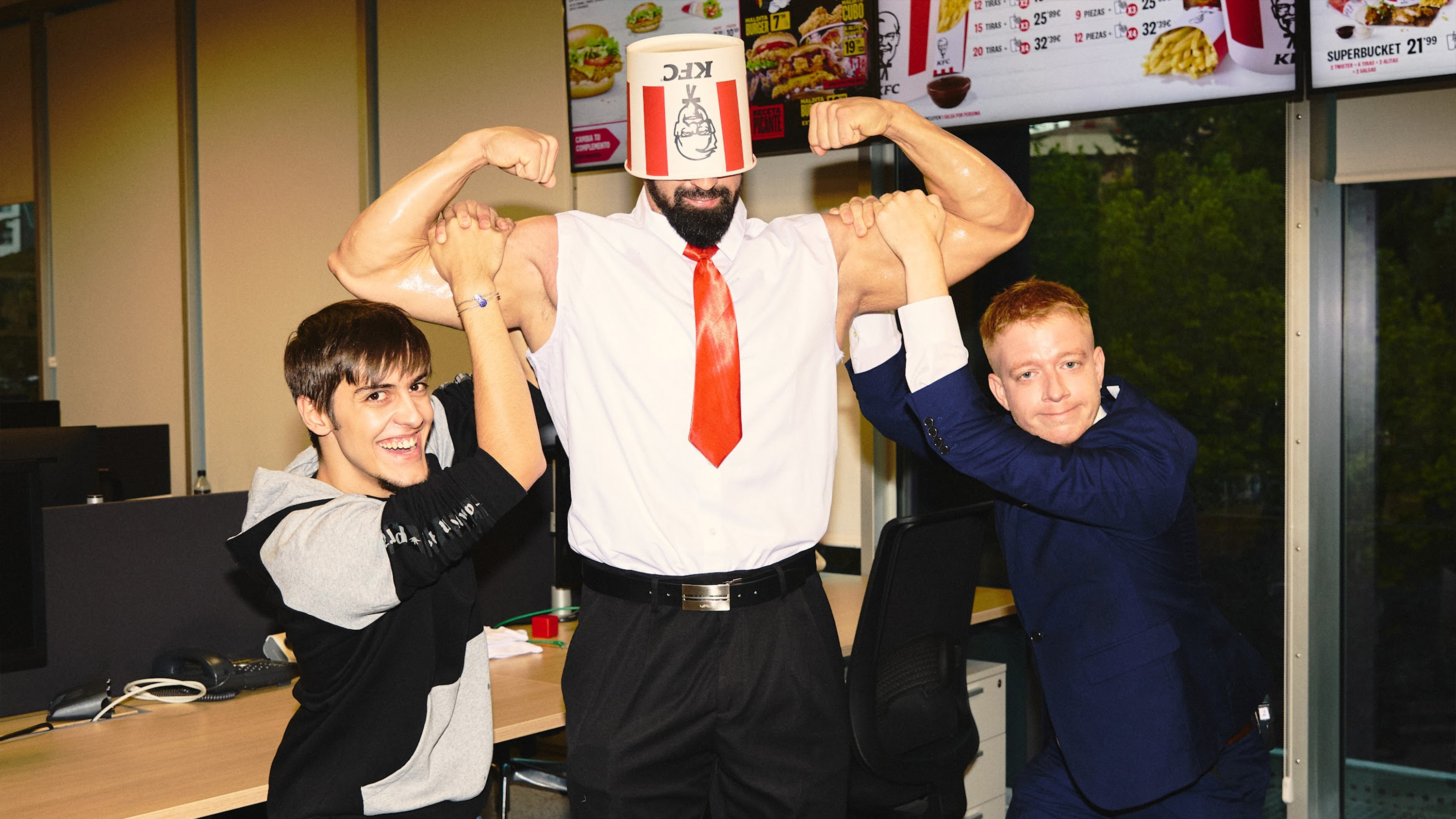
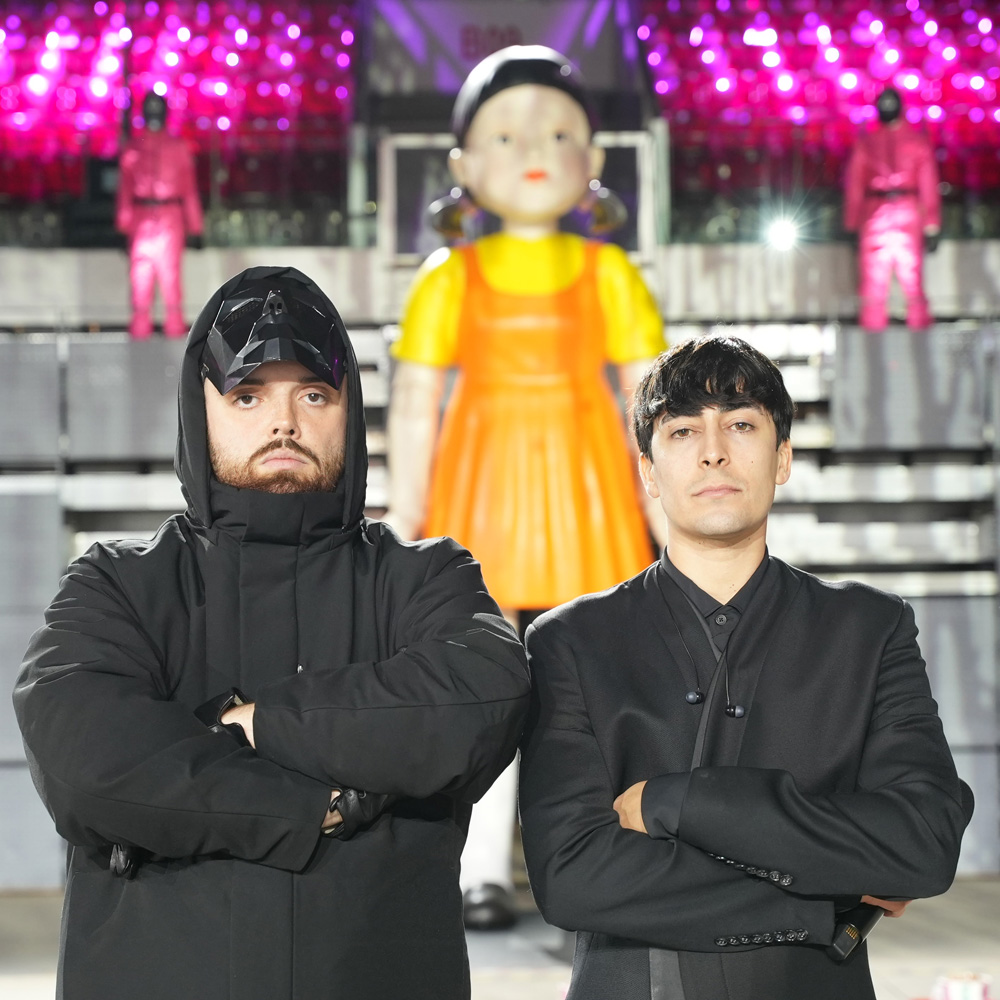
Over five years, the strategy translated into an uninterrupted flow of actions that redefined the brand's communication. On social media, with the "Always In" model, viral phenomena like Eduardo were born — a chicken thigh meme turned cultural icon. Historical weaknesses were transformed into opportunities, as with Fries Compensation, a massive personalized CRM apology for their former fries. KFC's humor also conquered mass media with Megabox, a campaign that played with the rhyme of the number five while avoiding saying it, and broke records with collaborations like La Prueba del Menú with Netflix and Ibai Llanos, which became the most-watched branded content in the history of streaming in Spain.