From Recipe Improvement to Cultural Phenomenon
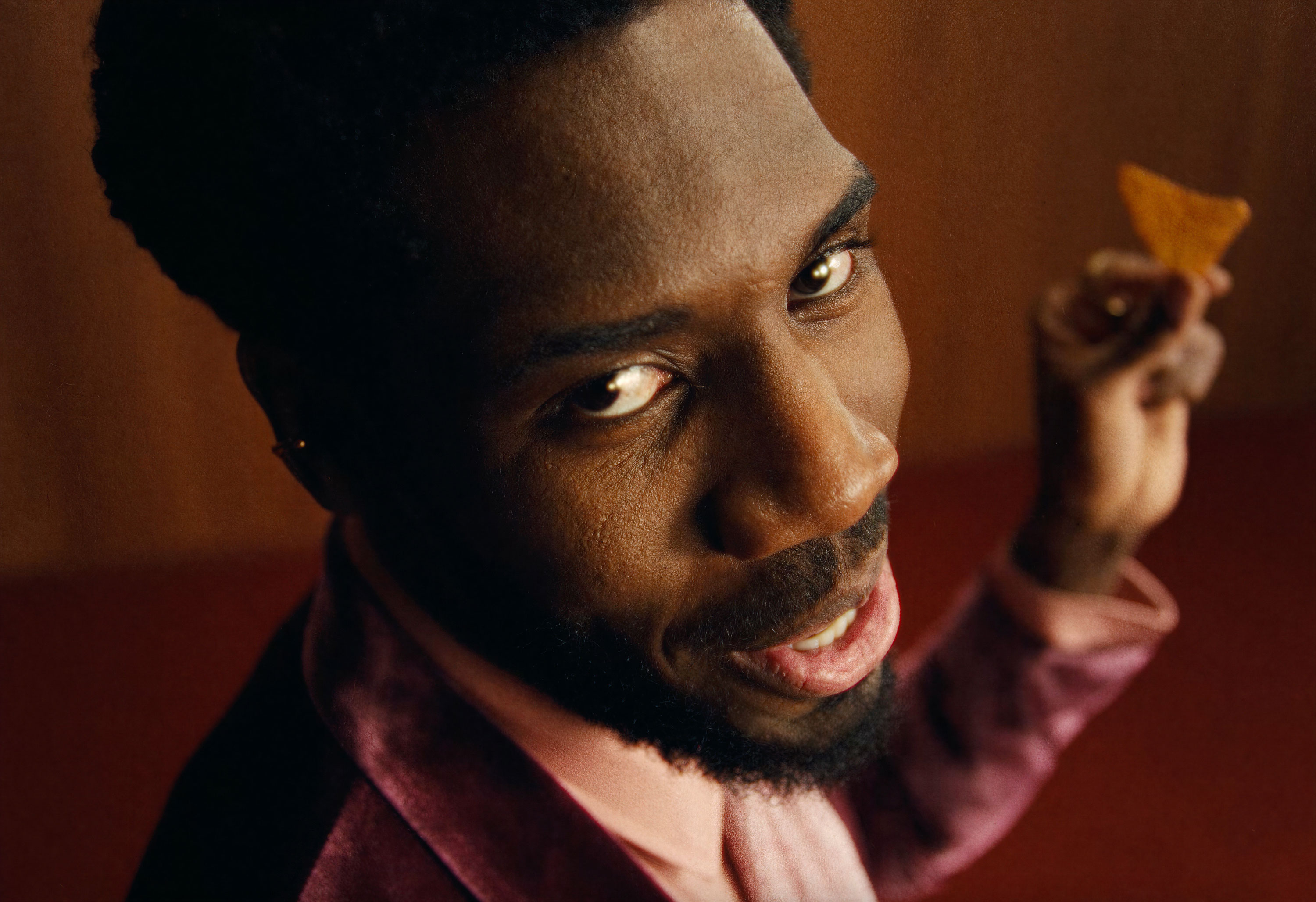
In 2024, Doritos improved its recipe: more corn, more thickness, and a more powerful crunch. A real improvement that brought character back to the product, but with a clear risk: a market saturated with stimuli and pressured by private labels. The challenge wasn't to explain the new recipe, but to reinsert Doritos into the cultural conversation to recover relevance, especially among Gen Z, and justify its value without relying on discounts.

PS21 turns the product's crunch into brand territory and transforms an annoyance into an asset capable of generating conversation and business.
The crunch as a brand platform
The strategy started with a structural decision: turning its most obvious effect — the crunch — into a recognizable cultural friction. 'Crunchier, More Annoying' was not designed as a campaign with adaptations, but as a cross-channel system where every channel amplified the same tension. The campaign didn't start with the spot. The spot was born from a cultural situation designed to travel on its own.

Making a lot of noise, with method
The action started by provoking a reaction before revealing the brand: a cinema scene with influencer Lola Lolita crunching Doritos and an older woman complaining. No logos, just the crunch of Doritos at the worst possible moment. The content went viral, and when the brand was revealed, it did so with a spot that confirmed the positioning, starring the content creator. From there, every medium became an amplification opportunity: influencers reinterpreting the concept, digital pieces comparing the crunch to annoying sounds like off-key flutes, intrusive banners, radio spots and playlists, billboards that disrupted the visual landscape, and even supermarket carts that emitted a crunch when moved. The crunch stopped being a metaphor and became a real experience.